.png)
 English

Japan's 'godless' lake warns of creeping climate change
Japan's 'godless' lake warns of creeping climate change
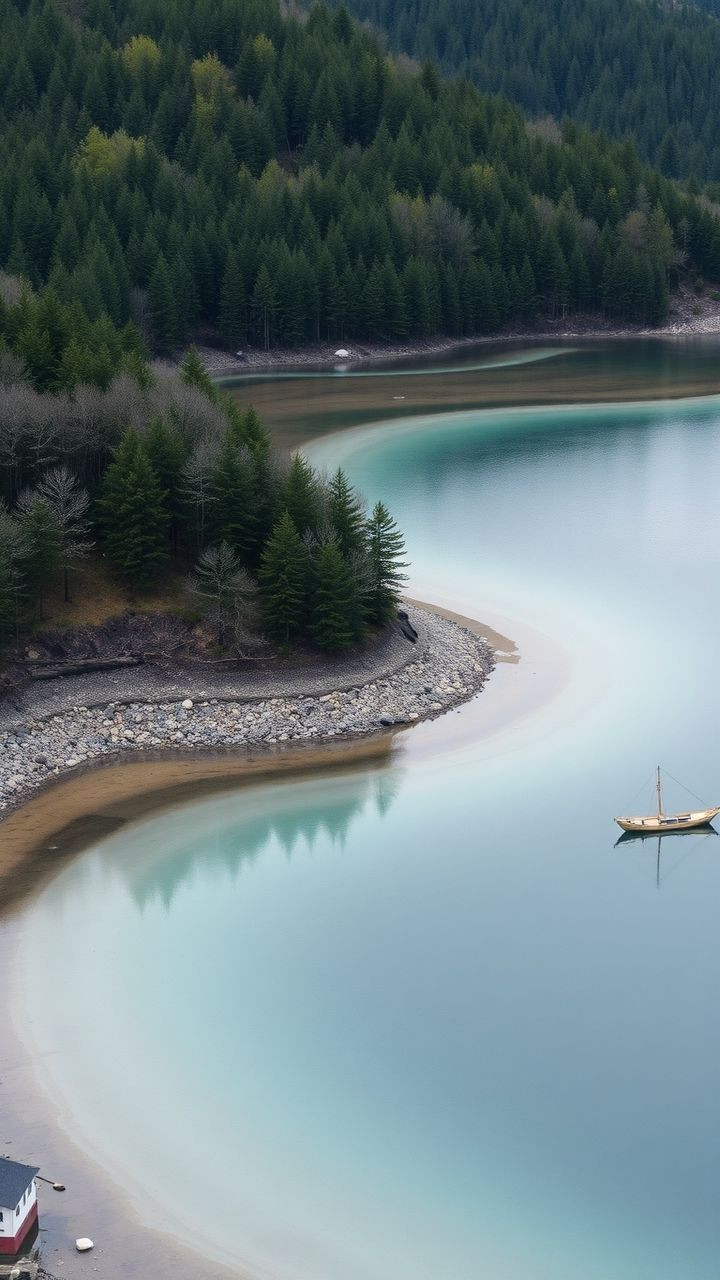
The Challenges of Japan's 'Godless' Lake A Warning from Nature about Creeping Climate Change
Lake Suwa, a sacred site in Japan's Shinto religion, has been monitoring climate change through an ancient tradition called miwatari or God's Crossing. This unique record of environmental changes over the centuries serves as a powerful warning about the impact of global warming on our planet.
A Sacred Ritual Under Threat
The annual watch for miwatari begins on January 5, led by Kiyoshi Miyasaka, a priest from the nearby Yatsurugi Shrine. The ritual has been passed down through generations and offers valuable data on climate patterns. Its significance extends beyond spiritual beliefs to provide insight into the effects of climate change.
A Record of Climate Change
For centuries, priests have recorded temperature readings, ice thickness, and the occurrence of miwatari. This chronicle, dating back to 1443, provides a unique perspective on the history of our planet's climate. Geographer Naoko Hasegawa from Tokyo's Ochanomizu University notes that this record is invaluable for understanding the long-term effects of climate change.
A Warning from Nature
The absence of miwatari since 2018 has been attributed to climate change by both scientists and believers. Miyasaka emphasizes that nature does not lie, suggesting that the decline in miwatari occurrences reflects a broader trend of environmental degradation.
The Science Behind Miwatari
Scientists explain miwatari as a phenomenon caused by the contraction and expansion of the ice surface due to temperature fluctuations between day and night. When the lake freezes completely, the ice lid contracts, opening cracks that fill with shards of newly frozen lake water. This process creates the distinctive roaring sound associated with miwatari.
A Record in Peril
Takehiko Mikami, a professor emeritus at Tokyo Metropolitan University, has studied the phenomenon and notes that the crossing appeared almost every winter until the 1980s. However, since then, morning temperatures have often failed to fall enough for the lake to freeze over, making miwatari occurrences increasingly rare.
A Warning from the Future
For Miyasaka, the absence of miwatari serves as a warning about the impact of climate change on our planet. Mikami echoes this sentiment, suggesting that we may be living through the longest period without a sighting, which could indicate an acceleration in global warming.
Conclusion
Lake Suwa's godless lake serves as a powerful reminder of the need to address climate change. The unique record of environmental changes over centuries offers valuable insights into the history of our planet's climate and warns us about the consequences of neglecting this critical issue. As we look to the future, it is essential that we prioritize sustainable practices and continue to monitor the effects of climate change on our environment.
Keywords Lake Suwa, miwatari, God's Crossing, Shinto religion, climate change, global warming, environmental degradation, sustainability

Popular Tools
Recent Posts