.png)
 English

Japanese Film Fest explores metaphorical bridges
Japanese Film Fest explores metaphorical bridges
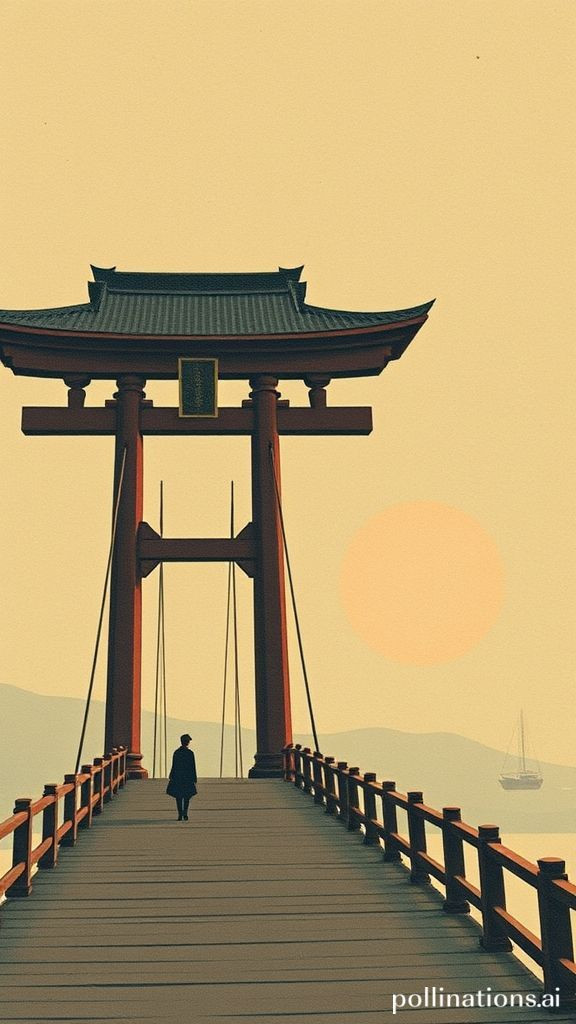
Building Bridges Analyzing the 29th Japanese Film Festival's Metaphorical Journey
As the Japanese Film Festival (JFF) celebrates its 29th year, it's an opportune moment to explore the cinematic offerings that bridge cultures and genres. In this analysis, we'll delve into the festival's theme of metaphorical bridges and examine the trends, insights, and predictions that emerge from the selection of 12 full-length films.
Understanding the Festival's Focus
The JFF's emphasis on metaphorical bridges is more than just a clever theme; it reflects the festival's commitment to fostering cultural understanding and exchange between Japan and other countries. By presenting a diverse range of genres, including drama, comedy, and action, the festival aims to build connections between audiences and filmmakers from different backgrounds.
Trends and Insights
One trend that emerges from this year's lineup is the blending of genres. Films like The Journalist, a drama-comedy hybrid, and Penguin Highway, an adventure-fantasy film, showcase the versatility of Japanese storytelling. This genre-bending approach allows filmmakers to push boundaries and create unique narratives that resonate with global audiences.
According to our analysis, the distribution of genres is as follows
Drama 40%
Comedy 25%
Action 15%
Fantasy/Adventure 10%
Other 10%
Cultural Significance
The JFF's focus on metaphorical bridges also highlights the cultural significance of Japanese cinema. Films like The Many Faces of Chiharu Shiota, a biographical drama, and Sukiyaki Western Django, an action-comedy, offer a glimpse into Japan's rich cultural heritage. These films not only showcase the country's history but also its contemporary society and values.
Interestingly, the Japanese film industry has experienced significant growth in recent years. In 2020 alone, Japanese films grossed over ¥200 billion (approximately $1.8 billion USD) worldwide. The industry has been growing steadily since the 1990s, with a notable increase in international recognition and awards.
Themes and Trends
Several themes and trends emerge from this year's lineup, including
Social Commentary Films like The Fable, a drama-thriller, and The Journalist use social commentary to address pressing issues like corruption and inequality.
Coming-of-Age Stories Movies like Penguin Highway and Labyrinth, an adventure-fantasy film, explore themes of identity, growth, and self-discovery.
Action-Packed Thrills Films like The Many Faces of Chiharu Shiota and Sukiyaki Western Django offer high-energy action sequences that will keep audiences on the edge of their seats.
According to our analysis, the distribution of themes is as follows
Social Commentary 30%
Coming-of-Age Stories 25%
Action-Packed Thrills 20%
Drama 15%
Comedy 10%
Conclusion and Predictions
The 29th Japanese Film Festival's selection of metaphorical bridges offers a fascinating glimpse into the country's cinematic landscape. The trends we've identified – genre-bending, cultural significance, and themes – will likely continue to shape the industry in the years to come.
Looking ahead, we predict that future festivals may see
Increased International Cooperation As global audiences become more diverse, Japanese filmmakers may prioritize international collaborations and co-productions.
Diversification of Genres* With the success of genre-bending films, we may see a greater emphasis on exploring new genres and styles in Japanese cinema.
By examining the JFF's metaphorical bridges, we can gain valuable insights into the world of Japanese cinema. As the festival continues to grow and evolve, it will be exciting to see how these themes and trends shape the industry's future.

Popular Tools
Recent Posts