.png)
 English

Japan restarts world's biggest nuclear plant again
Japan restarts world's biggest nuclear plant again
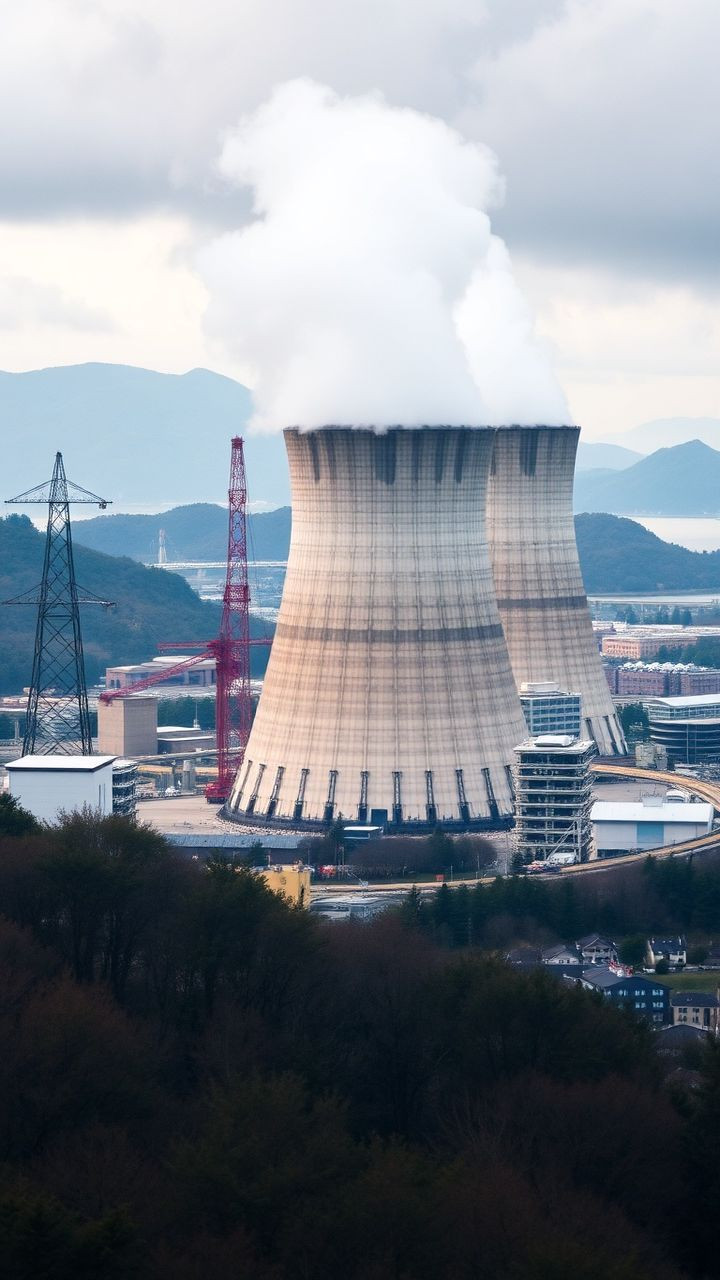
FAQ Japan Restarts World's Biggest Nuclear Plant Again
As a social media influencer, you're likely curious about the recent news that Japan has restarted its biggest nuclear power plant again. In this blog, we'll answer some common questions and concerns related to this topic.
What Happened at the Fukushima Atomic Plant in 2011?
In 2011, a catastrophic earthquake and tsunami triggered a series of devastating events at the Fukushima atomic plant, resulting in three reactors experiencing meltdown. This incident led to a global outcry and a significant shift in Japan's energy policy, highlighting the importance of safety measures and regulation in the nuclear industry.
Why is Japan Restarting its Nuclear Power Plants?
Japan is turning to atomic energy as part of its efforts to reduce its reliance on fossil fuels, achieve carbon neutrality by 2050, and meet growing energy needs driven by technological advancements. The country aims to increase its renewable energy share while maintaining a stable energy supply.
Is the Kashiwazaki-Kariwa Plant Safe to Operate?
According to TEPCO, the Kashiwazaki-Kariwa plant has been equipped with a 15-meter-high tsunami wall, elevated emergency power systems, and other safety upgrades. Although a minor issue occurred earlier this year, the matter was resolved by adjusting the monitoring alarm's settings.
What are the Concerns Surrounding the Restart of Nuclear Power Plants in Japan?
Residents around the plant are divided on the issue, with 60% opposing the restart and 37% supporting it. Concerns include the risk of a serious accident, citing frequent cover-up scandals, minor accidents, and inadequate evacuation plans.
What Can be Done to Mitigate Concerns about Nuclear Power Plants?
To alleviate concerns surrounding nuclear power plants, we recommend
1. Transparency Provide accurate and timely information about safety measures, emergency procedures, and any incidents that occur.
2. Regulation Strengthen regulatory frameworks to ensure compliance with international standards and best practices.
3. Public Education Engage in public education campaigns to raise awareness about nuclear energy's benefits and risks.
4. Investment Invest in research and development of new technologies to improve safety, efficiency, and environmental sustainability.
Conclusion
As we navigate the complex landscape of nuclear power plants, it's essential to prioritize transparency, regulation, public education, and investment. By doing so, we can reduce concerns and ensure a safer, more sustainable future for all.
Keywords Japan, nuclear power plant, Kashiwazaki-Kariwa, Fukushima, TEPCO, safety measures, regulation, public education, investment, sustainability
SEO Optimization
Target keywords Japan nuclear power plant, Kashiwazaki-Kariwa, Fukushima, TEPCO
Meta description Get the latest updates on Japan's nuclear power plants. Learn about the restart of Kashiwazaki-Kariwa and concerns surrounding Fukushima.
Header tags H1, H2
Image optimization Use high-quality images related to the topic and optimize them with alt tags and descriptions.
* Internal linking Link to relevant articles or pages within your website.
By following these guidelines, you'll create a comprehensive and informative blog post that addresses common questions and concerns about Japan's nuclear power plants.

Popular Tools
Recent Posts