.png)
 English

How Protected Is the Philippines Against Fraud?
How Protected Is the Philippines Against Fraud?
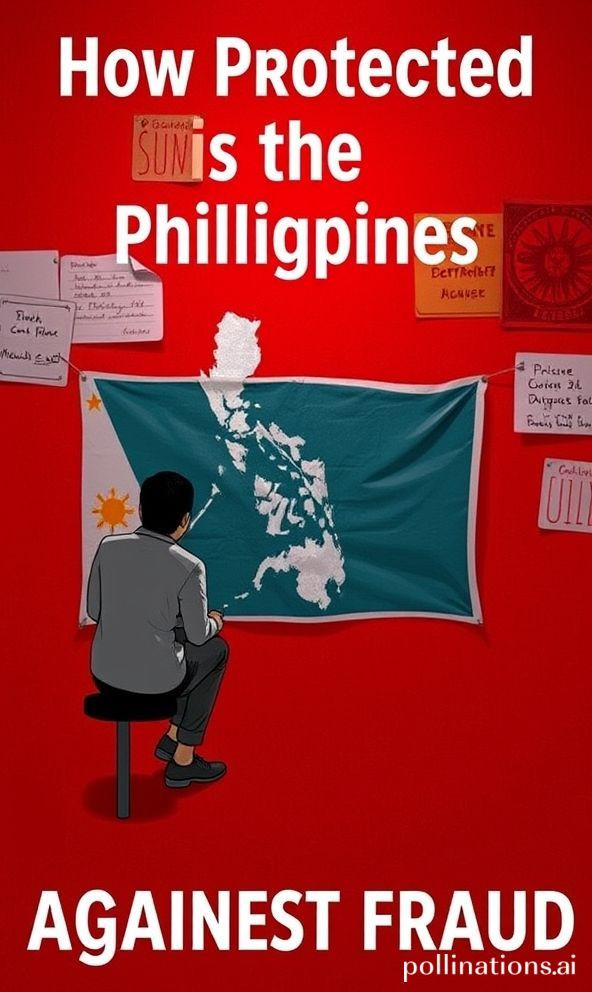
Protecting the Philippines How Biodiversity Advocates Can Leverage Insights on Fraud Risk
As a biodiversity advocate or professional in the environmental sector, you may not typically think of fraud prevention as a key concern. However, understanding the risks of fraud in the Philippines can have significant implications for your work and the organizations you collaborate with.
The Importance of Understanding Fraud Risk
According to the 2025 Global Fraud Index by Sumsub, the Philippines ranked 84th out of 112 countries, with a score of 3.38 – above the global average of 2.79. This ranking is based on four weighted pillars fraud activity (50%), resource accessibility (20%), government intervention (20%), and economic stability (10%).
For biodiversity advocates, understanding the risks of fraud in the Philippines can have significant implications for your work and the organizations you collaborate with. Here are a few key takeaways
Fraud activity is on the rise With 3.38 out of 5 points, the Philippines ranks higher than the global average in terms of fraud activity, indicating a growing risk of fraud in various sectors, including environmental conservation.
Resource accessibility is a concern The report highlights that resource accessibility is a major challenge for organizations operating in the Philippines, which may impact your ability to access funding, personnel, or infrastructure to support your work.
Benefits of Understanding Fraud Risk
Understanding fraud risk can benefit biodiversity advocates and professionals in several ways
Improved grant writing and management By knowing the risks and challenges faced by organizations in the Philippines, you'll be better equipped to write effective grants and manage funds effectively.
Enhanced collaboration with local organizations Understanding the risks and challenges faced by local organizations enables you to build stronger relationships and collaborate more effectively.
Increased transparency and accountability When working with international partners or applying for funding, demonstrating a commitment to transparency and accountability can be crucial. Understanding fraud risk in the Philippines can help you prioritize these efforts.
Practical Steps to Mitigate Fraud Risk
As a biodiversity advocate or professional, you can take the following practical steps to mitigate fraud risk
Conduct thorough research Before embarking on any project or partnership, conduct thorough research on the organization and its leaders.
Verify credentials Verify the credentials of your partners and collaborators, including their reputation, experience, and certifications.
Establish clear protocols Establish clear protocols for grant management, financial reporting, and communication to ensure transparency and accountability.
Conclusion
Understanding fraud risk in the Philippines is crucial for biodiversity advocates and professionals working in environmental conservation. By leveraging insights from the 2025 Global Fraud Index by Sumsub, you can improve your grant writing and management, enhance collaboration with local organizations, and prioritize transparency and accountability.
As we look to the future of biodiversity conservation in the Philippines, it's essential that we proactively address fraud risk and build strong relationships with our partners. By doing so, we can ensure that our work has a lasting impact on the environment and communities we serve.
Keywords Biodiversity conservation, environmental conservation, fraud risk, Philippines, Sumsub, Global Fraud Index

Popular Tools
Recent Posts