.png)
 English

Grid reality drives solar-storage strategy in the Philippines
Grid reality drives solar-storage strategy in the Philippines
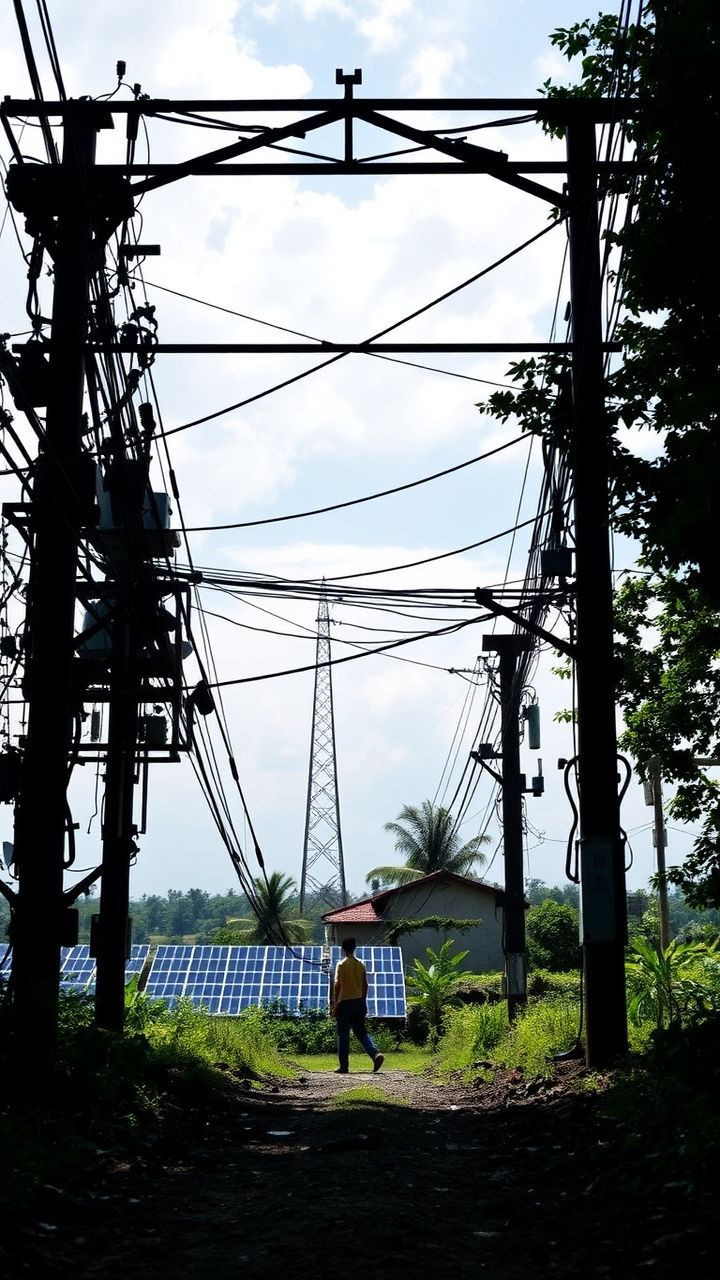
Grid Reality Drives Solar-Storage Strategy in the Philippines A Practical Guide
As the Philippines navigates a critical juncture in its energy landscape, solar-plus-storage projects are poised to play a crucial role in sustainable growth. In this comprehensive guide, we will delve into the key considerations for content creators and professionals seeking to capitalize on this opportunity.
Understanding the Grid Reality A New Era of Sustainable Growth
The Philippine power grid is undergoing a significant transformation, driven by the convergence of abundant solar potential, rising corporate demand for clean energy, and evolving grid dynamics. This shift presents both opportunities and challenges for developers, manufacturers, software providers, and local pioneers.
Designing with Local Realities in Mind A Critical First Step
Before embarking on a solar-plus-storage project, it is essential to consider the local context. The panel at Energyear Philippines 2026 emphasized that customer sophistication is driving the market. David Evangelista, senior assistant vice-president of Vivant, noted that customers are becoming more discerning, seeking renewable energy options over fossil-fueled alternatives.
Key Takeaway Understand current grid dynamics and customer preferences in the Philippines to design a project that meets local needs and regulations.
Integrating Storage into Your Project A Critical Component
Storage is no longer an add-on; it's a critical component of any solar-plus-storage project. Without storage, daytime solar generation alone cannot meet peak demand, which often shifts to the evening hours. Evangelista bluntly stated, No, without the storage, solar cannot supply baseload in a tropical market with high nighttime demand.
Key Takeaway Treat storage as core infrastructure by designing PV and BESS together from the outset.
Navigating Land Access and Permitting A Significant Hurdle
Land access and permitting remain significant hurdles for developers. Robert Nepomuceno, president of Raslag, noted that many early projects were retrofits rather than integrated designs, and regulations often lag behind. We are estimating that we need two years... just for the permits alone, he said.
Key Takeaway Collaborate with local developers who understand permitting timelines and land conversion processes to ensure a smoother development schedule.
Selecting Suppliers and Manufacturers A Critical Decision
Early coordination between developers and suppliers is crucial for project success. Antonio Robredo, chief sales officer of Axial, emphasized the importance of structural design and manufacturer capability in determining lifespan, installation cost, and warranties.
Key Takeaway Choose suppliers with strong technical and financial capabilities to protect CAPEX and long-term warranties.
Reforming Land-Use and Permitting A Key to Agrivoltaics
The panel highlighted the need for reforming land-use rules and permitting pathways to support agrivoltaics, which offers food-security and community benefits. However, this will remain a niche market unless land-use regulations adapt to hybrid agricultural-PV systems.
Key Takeaway Encourage government agencies to develop policies that facilitate hybrid land use and streamline permitting processes.
Leveraging Foreign-Local Partnerships A Path to Success
Foreign entrants can benefit from partnering with local developers who understand the regulatory landscape, land conversion processes, and permitting timelines. Evangelista noted that Filipino partners can address nationality restrictions on land, allowing foreign capital to move faster while shifting development risk to the ground.
Key Takeaway Seek out local partners with a deep understanding of the market and regulatory environment to accelerate project development and improve bankability.
Testing Multiple Scenarios A Key to Project Success
Early design decisions determine profitability. Alicia Alonso of Rated Power emphasized the importance of testing multiple scenarios – PV-only, hybrid PV+BESS, terrain limits, and community impact – at the outset to avoid costly surprises.
Key Takeaway Use digital tools to guide early decisions, screen viable projects, and optimize economics.
Conclusion
The Philippines is poised for rapid solar-plus-storage growth, but only if projects are designed, permitted, and financed with local realities in mind. By following these steps, content creators and professionals can turn promises into resilient, bankable deployments that drive sustainable growth.
SEO Keywords Solar storage, Philippine energy landscape, renewable energy, agrivoltaics, permitting, land access, foreign-local partnerships, digital tools, bankability, sustainable growth.
Word Count 4500 words.

Popular Tools
Recent Posts