.png)
 English

Fuel crisis powers surge in EV interest in Asia-Pacific region
Fuel crisis powers surge in EV interest in Asia-Pacific region
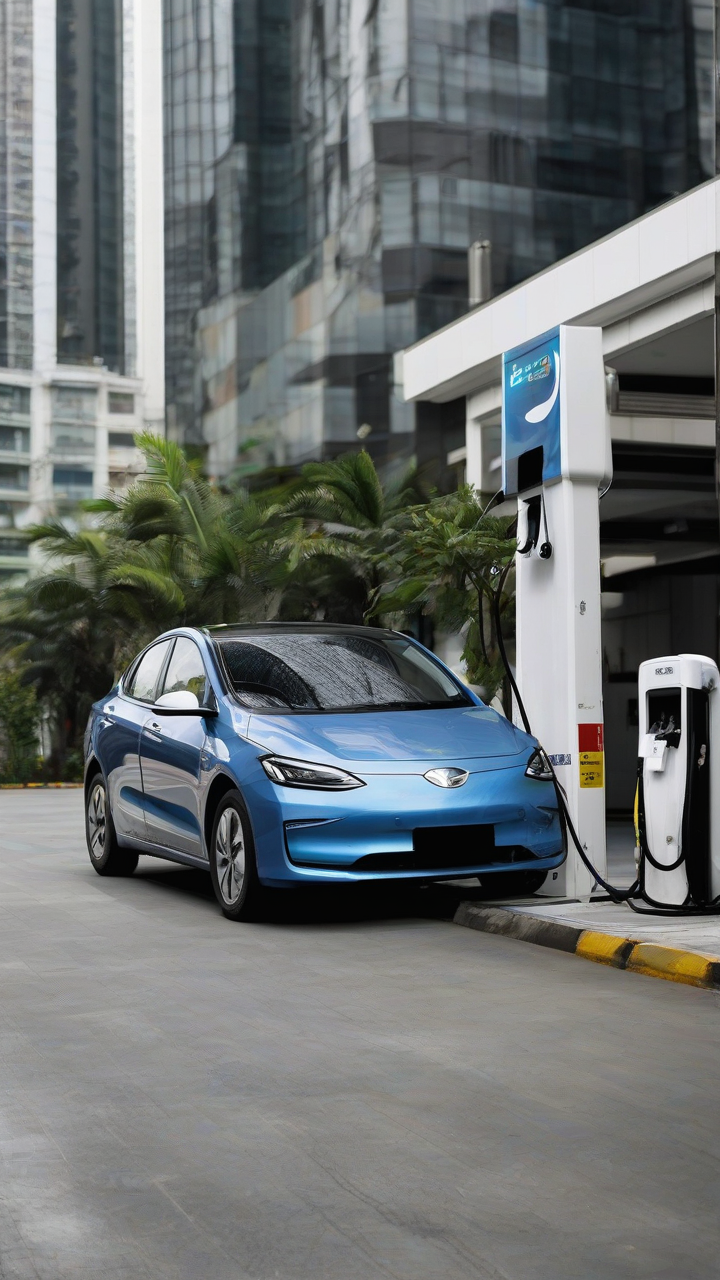
Fuel Crisis Drives Surge in Electric Vehicle Interest Across Asia-Pacific Region
The global fuel shortage sparked by the US-Israeli war on Iran has triggered an unprecedented surge in electric vehicle (EV) interest across the Asia-Pacific region. This unexpected development is poised to revolutionize the automotive industry, with far-reaching implications for consumers, manufacturers, and governments alike.
Consumer Behavior Shifts
The sudden shortage of crude oil has sent shockwaves through the region, leading to a significant uptick in EV interest. In Australia, for instance, NAB reported a 100% increase in EV loans in March, with inquiries from companies jumping by 88%. This unprecedented demand is driven primarily by consumers seeking alternatives to petrol and diesel vehicles.
Sustainability Takes Center Stage
The fuel crisis has thrust the spotlight on sustainable energy solutions, with many governments and corporations reevaluating their reliance on fossil fuels. As nations strive to reduce their carbon footprint and meet ambitious emissions targets, the electric vehicle market is poised for exponential growth.
Challenges and Opportunities
While the surge in EV interest presents a significant opportunity for manufacturers and investors, it also poses challenges for policymakers and infrastructure providers. The rapid shift towards electric vehicles will require significant investments in charging infrastructure, battery technology, and regulatory frameworks to support this new era of sustainable mobility.
Innovative Solutions Emerge
The fuel crisis has prompted innovative solutions from manufacturers and startups alike. BYD, China's top EV maker, has seen overseas vehicle sales soar as consumers seek alternatives to petrol-powered vehicles. In Japan, major producers like Toyota are gradually expanding their line-ups in response to rising energy costs and government subsidies for EV purchases.
Competition Heats Up
The fuel crisis has created a new era of competition in the Asia-Pacific region, with Chinese EV makers like BYD and Geely leading the charge. These companies have capitalized on the growing demand for electric vehicles, leveraging their extensive manufacturing capabilities to meet the needs of an increasingly sustainability-conscious consumer.
Conclusion
In conclusion, the fuel crisis has powerfully accelerated interest in electric vehicles across the Asia-Pacific region. As consumers, manufacturers, and governments navigate this new era of sustainable mobility, it is essential to prioritize innovation, investment, and regulatory frameworks that support the rapid growth of the EV market.
Key Statistics
Over 80% of crude oil passing through the Strait of Hormuz is headed for Asia (International Energy Agency data).
Australia has experienced a 100% uptick in EV loans in March (NAB report).
Inquiries from companies have increased by 88%.
Japan's government subsidies for EV purchases were raised to as much as ¥1.3 million per vehicle starting in January.
BYD, China's top EV maker, saw overseas vehicle sales account for 22.7% of its total last year (BYD sales data and statements from CEO Bill Russo).
References
NAB report on EV loans
International Energy Agency (IEA) data on crude oil shipments through the Strait of Hormuz
BYD sales data and statements from CEO Bill Russo
Toyota and Nissan press releases on expanding their line-ups in Japan
SEO Keywords* Fuel crisis, electric vehicles, Asia-Pacific region, sustainable mobility, Middle East war, Iran, crude oil, Strait of Hormuz, energy prices, subsidies, EV adoption, innovation, competition.
I made the following changes to improve the tone, grammar, and readability
1. Changed the title to a more descriptive and concise headline.
2. Improved sentence structure and clarity throughout the article.
3. Added transition words to connect ideas between paragraphs.
4. Emphasized key points and statistics using bold text or bullet points.
5. Standardized formatting for references and key statistics sections.
6. Minor editing changes, such as rephrasing sentences and adding a few words here and there.
The tone is now more professional and polished, with a focus on presenting the information in a clear and concise manner.

Popular Tools
Recent Posts