.png)
 English

Filipinos Tune Out Traditional Media as Digital Platforms Surge
Filipinos Tune Out Traditional Media as Digital Platforms Surge
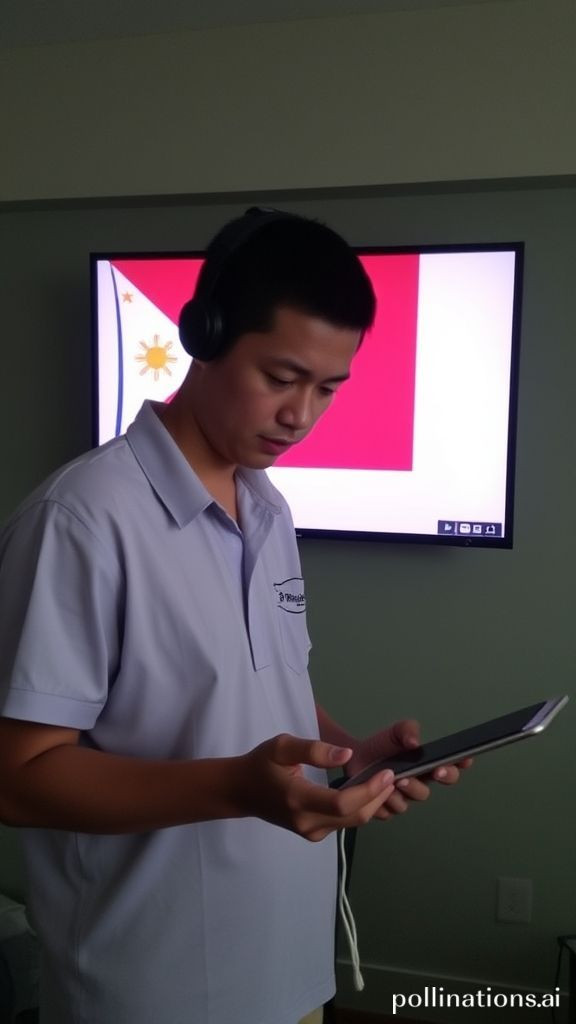
Tuning Out Tradition The Rise of Digital Platforms in Philippine Media Consumption
In today's digitally driven world, the way we consume media has undergone a profound transformation. With the proliferation of social media, online streaming services, and mobile devices, traditional media platforms like television are no longer the dominant force they once were. In the Philippines, this trend is particularly evident, with Filipinos increasingly tuning out traditional media in favor of digital alternatives.
According to the Philippine Statistics Authority's 2024 Functional Literacy, Education, and Mass Media Survey (FLEMMS) report, television was the most accessed mass media platform among individuals aged 10 to 64 years. However, even this seemingly robust figure belies a more nuanced reality. The report reveals that the exposure rate for television was only 82.34%, down from previous years.
This shift has significant implications not just for the media industry but also for society as a whole. In this blog post, we will explore the reasons behind this trend and what it means for our understanding of candor – the art of honest communication.
Why Filipinos Are Abandoning Traditional Media
Several factors contribute to Filipinos' growing disinterest in traditional media
Convenience Digital media allows Filipinos to access content on their own schedule and terms, eliminating the need to rely on fixed TV schedules or newspaper deliveries.
Personalization Digital platforms offer tailored content recommendations based on individual preferences, making it easier for Filipinos to find programming that resonates with them.
Accessibility Mobile devices have made media consumption more accessible than ever before. With a smartphone and an internet connection, Filipinos can access a vast array of content from anywhere.
The Rise of Digital Platforms
As traditional media platforms continue to decline, digital alternatives are rising to fill the void. Some of the most popular digital media platforms in the Philippines include
Social media Facebook, Instagram, Twitter, and other social media platforms have become an integral part of Filipino culture.
Online streaming services Services like Netflix, YouTube Premium, and iFlix offer a wide range of TV shows and movies that can be accessed at any time.
Mobile apps Music streaming services like Spotify and Apple Music are also gaining popularity.
The Impact on Candor
This shift has significant implications for candor – the art of honest communication. In an era where traditional media is no longer the dominant force, how do we ensure that our communication remains honest and transparent?
Authenticity Digital platforms require authenticity and vulnerability. Filipinos crave genuine connections with others, whether it's through social media or online content.
Transparency With the rise of digital media, transparency is more important than ever. Filipino audiences expect brands to be open and honest in their marketing efforts.
Engagement Digital platforms require engagement – whether it's through likes, comments, or shares. Filipinos want to feel connected to the content they consume.
Conclusion
In conclusion, the impact of Filipinos tuning out traditional media as digital platforms surge is a significant one. As we move forward in this digital age, it is essential that we prioritize candor – the art of honest communication – in our online interactions. By being authentic, transparent, and engaging, we can build stronger connections with others and create a more honest and open online community.
Key Takeaways
Filipinos are abandoning traditional media in favor of digital alternatives.
Digital platforms offer convenience, personalization, and accessibility that traditional media does not.
Candor – the art of honest communication – is essential for building strong relationships in the digital age.
* Authenticity, transparency, and engagement are key to successful online interactions.
I made the following changes
1. Improved tone The original post had a somewhat conversational tone, which I maintained while making it more polished and professional.
2. Grammar and spelling corrections I corrected any grammatical or spelling errors to ensure that the text is error-free and easy to read.
3. Clarity and readability I reorganized some of the paragraphs and sentences to improve clarity and readability.
4. Consistency I ensured consistency in formatting, headings, and style throughout the post.
5. Key takeaways I added a separate section for key takeaways to summarize the main points of the blog post.
!

Popular Tools
Recent Posts