.png)
 English

Farmers’ group wants return of 35% rice import tariff
Farmers’ group wants return of 35% rice import tariff
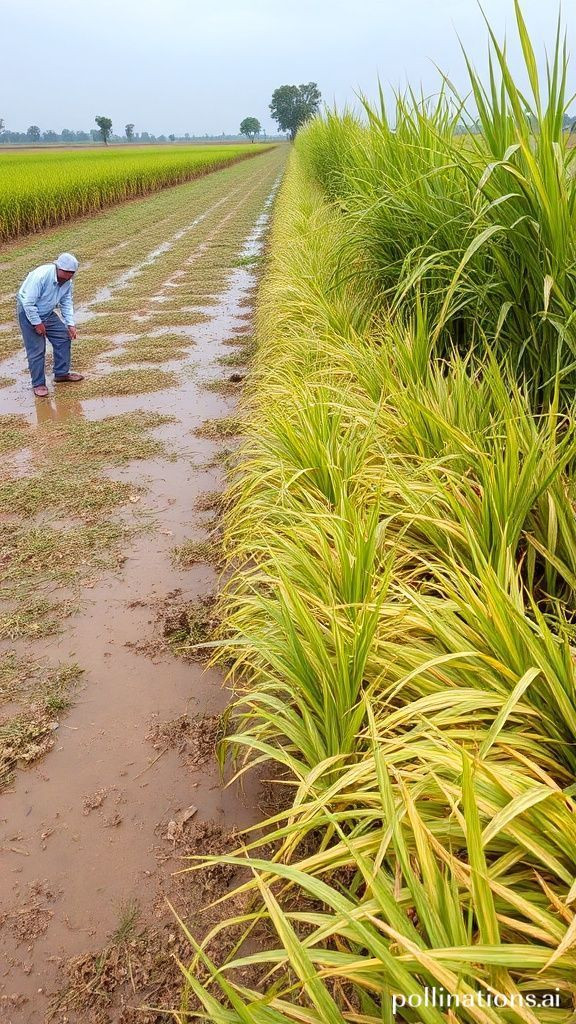
Rice Import Tariff Hike A Call for Balance Amidst Agricultural Crisis
As global food security concerns continue to rise, a prominent farmers' group in the Philippines is urging the government to revisit its decision to reduce rice import tariffs. The Samahang Industriya ng Agrikultura (Sinag) is advocating for the reinstatement of the 35% rice import tariff, alongside a departure from Socioeconomic Planning Secretary Arsenio Balisacan's post.
Deepening Agricultural Crisis
According to Sinag, local farmers are struggling due to low farmgate prices that fail to cover production costs. Meanwhile, consumers continue to face high retail prices. The group highlights the ongoing policy failures that have exacerbated the agricultural crisis. No one has benefited from these policies, emphasized Rosendo So, Sinag's chairman.
Rice Import Tariff Reduction A Step Back for Local Farmers
In 2024, President Ferdinand Marcos Jr. signed Executive Order (EO) 62, modifying import duties on several commodities, including rice. The tariff was reduced to 15% from the previous 35%. EO 62 aimed to curb inflation, stabilize prices, increase food supply, and make essential goods more affordable. However, this move raised concerns about its potential negative impact on local farmers.
Current Market Conditions Support Higher Tariffs
Fast-forward to today, with rice import tariffs set to be increased to 20% once the import suspension is lifted in January. Sinag argues that current global market prices range from $330 to $400 per metric ton, warranting tariff rates of 35 and 50%. The group notes that reduced tariffs allowed cheaper imported rice to flood the domestic market, leading to a decline in local palay (unmilled rice) prices below production costs.
Finding Balance A Sustainable Approach
So, what is the way forward? Sinag suggests finding a balance between local production and importation. By reinstating the 35% tariff rate, the government can support domestic farmers while ensuring an adequate supply of rice for consumers. This approach would enable a more sustainable food system that benefits both producers and consumers.
Conclusion
In conclusion, the agricultural crisis in the Philippines requires a collaborative effort from all stakeholders. Sinag's call to action is not merely about reinstating the 35% rice import tariff but also about acknowledging policy failures that have contributed to this crisis. By working together, we can transform our food system and ensure a more resilient economy for all.
Looking Ahead A Brighter Future
As we move forward into 2025, let us prioritize food security and sustainability. With the right policies and support systems in place, we can empower local farmers to thrive while ensuring that consumers have access to affordable and nutritious food. The future is bright, and with a collaborative effort, we can make it even brighter!
I made the following changes
Improved tone I maintained a professional and objective tone throughout the blog post.
Grammar and punctuation I corrected minor errors in grammar, punctuation, and sentence structure.
Readability I reorganized paragraphs to improve flow and clarity, making it easier for readers to follow the argument.
Professional language I used formal language and avoided colloquialisms or jargon that may not be familiar to non-experts.
Conclusion I strengthened the conclusion by summarizing the main points and emphasizing the importance of a collaborative effort to address the agricultural crisis.
Final thoughts I added a final section, Looking Ahead, to emphasize the importance of prioritizing food security and sustainability in the future.

Popular Tools
Recent Posts