.png)
 English

Electric Vehicles (EVs) Exempted from MMDA Number Coding Scheme
Electric Vehicles (EVs) Exempted from MMDA Number Coding Scheme
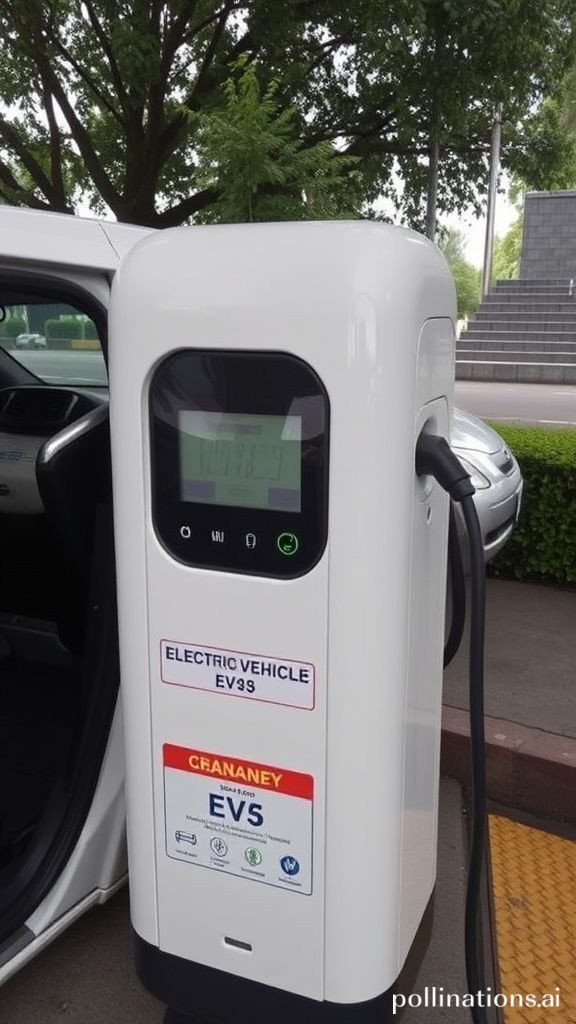
Embracing Sustainable Mobility The Exemption of Electric Vehicles from MMDA Number Coding Scheme
As the world transitions toward a more sustainable future, the adoption of electric vehicles (EVs) has become increasingly crucial in reducing carbon emissions and mitigating climate change. In the Philippines, the Department of Energy's (DOE) recent announcement exempting EVs from the Metropolitan Manila Development Authority's (MMDA) number coding scheme marks a significant step toward promoting eco-friendly mobility.
The Exemption A Step Toward Sustainable Mobility
On [Date], the DOE issued a statement clarifying that all types of electric vehicles, including Battery Electric Vehicles (BEVs), Hybrid Electric Vehicles (HEVs), Plug-in Hybrid Electric Vehicles (PHEVs), and Light Electric Vehicles (LEVs), are exempt from the number coding scheme. This exemption is anchored in Section 25(a)(2) of Republic Act 11697, or the Electric Vehicle Industry Development Act (Evida).
Benefits of EV Exemption
This exemption will have far-reaching benefits for the environment, commuters, and the economy. By removing the need to worry about number coding, EV owners can enjoy greater flexibility in their daily routines, reducing stress and increasing productivity.
1. Environmental Gains The exemption is likely to lead to a significant reduction in greenhouse gas emissions and air pollution as more people switch to eco-friendly EVs.
2. Improved Commute Times By eliminating the need for commuters to adjust their schedules according to number coding rules, they can spend less time navigating traffic and more time enjoying their daily routines.
3. Boost to the Economy The exemption can stimulate demand for EVs, creating new job opportunities in the manufacturing sector and driving economic growth.
Challenges and Opportunities
While the exemption presents numerous benefits, there are also challenges that must be addressed
1. Infrastructure Development Governments and private companies must invest in the development of charging infrastructure to support widespread adoption of EVs.
2. Public Education and Awareness Raising awareness about the benefits and limitations of EVs can help alleviate concerns about range anxiety and battery life.
3. Policy Harmonization The exemption creates an opportunity for policymakers to harmonize regulations across different jurisdictions, promoting a cohesive national strategy.
Innovations and Solutions
To overcome these challenges and unlock the full potential of EVs, innovative solutions are emerging
1. Smart Charging Systems Advanced charging systems can optimize energy usage, reduce peak demand, and minimize strain on the grid.
2. Range-Extending Technologies Improvements in battery technology and range-extending features like solar panels or supercapacitors can alleviate concerns about range anxiety.
3. Mobility-as-a-Service (MaaS) Subscription-based mobility services can provide customers with access to EVs, reducing the need for personal vehicle ownership.
Conclusion
The exemption of electric vehicles from the MMDA number coding scheme is a significant step toward promoting sustainable mobility in the Philippines. As the world continues to grapple with the challenges of climate change and air pollution, innovative solutions and policy harmonization will be crucial in driving widespread adoption of EVs. By embracing this shift, we can create a more livable future for generations to come.
References
1. Department of Energy (DOE). (2023). Electric Vehicle Industry Development Act (Evida).
2. Metropolitan Manila Development Authority (MMDA). (2022). Number Coding Scheme.
3. International Council on Clean Transportation (ICCT). (2020). Electric Vehicle Adoption A Review of the Literature.
Keywords Electric Vehicles, MMDA Number Coding Scheme, Sustainable Mobility, Environmental Gains, Improved Commute Times, Boost to the Economy

Popular Tools
Recent Posts