.png)
 English

EDSA protesters press anti-dynasty measures
EDSA protesters press anti-dynasty measures
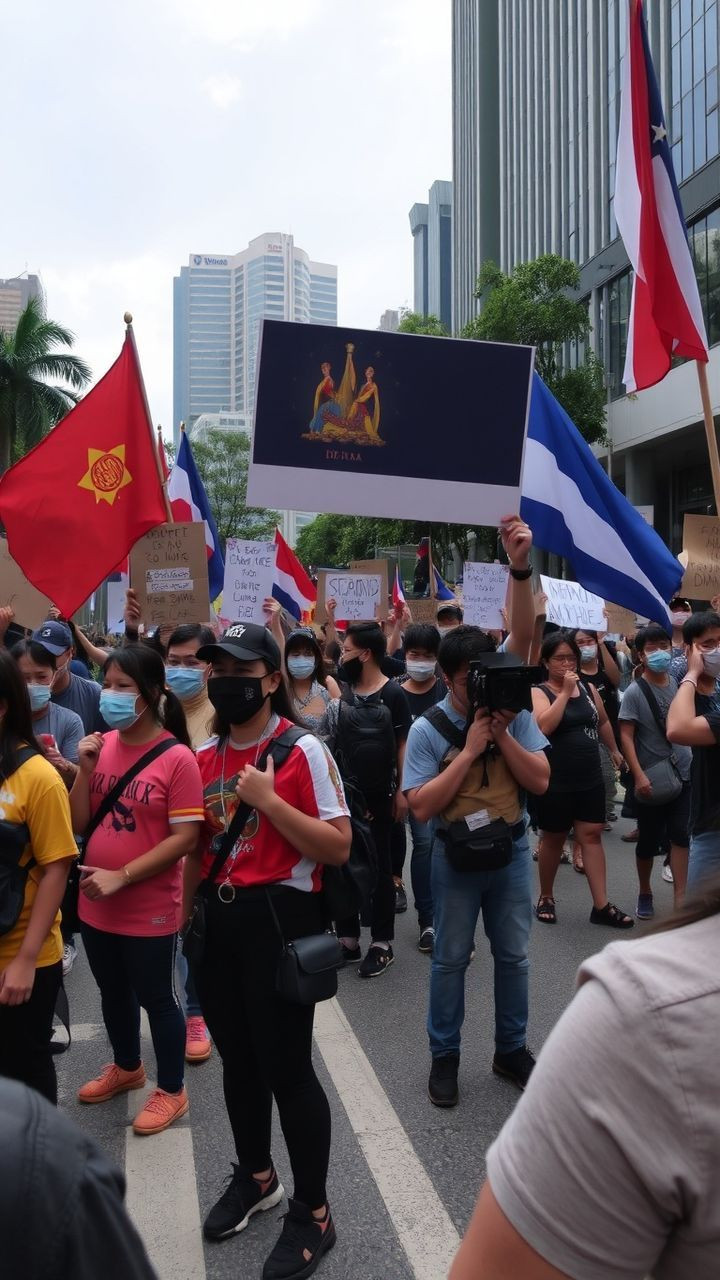
EDSA Protesters Press Anti-Dynasty Measures 'Last Marcos in Malacañang'?
As civil society groups marked the 40th anniversary of the EDSA People Power Revolution, they called for the immediate passage of an anti-political dynasty bill. President Ferdinand Marcos Jr. must be the last member of his family to serve as president, and Vice President Sara Duterte should never step into the presidency.
Tindig Pilipinas co-convenor Kiko Aquino Dee emphasized that political dynasties have no place in the country, particularly those from the Marcos and Duterte families. President Ferdinand 'Bongbong' Marcos Jr. must be the last Marcos in Malacañang, and Vice President Sara Duterte must never step into its halls. This is not just a rally; it is our promise to turn away from corruption, political dynasties, and all the evils of both Marcos presidencies, Dee said.
Bishop Gerry Alminaza, president of Caritas Philippines, the overall organizer of the rallies, stressed that EDSA does not belong to any family, party, or administration but rather to the people. EDSA was a flood that washed away fear. Until now, the message is clear Everyone is welcome here. EDSA does not belong to any party. It does not belong to a few generations alone. EDSA belongs to the people, Alminaza said.
In addition to calling for the passage of an anti-political dynasty bill, Dee also urged the public not to vote for politicians who are repeatedly involved in corruption scandals. There will always be an opportunity to stop the corruption, the abuse that is happening in our society because of our democracy, because of our strength, because of our duty to be part of the solution, Dee said.
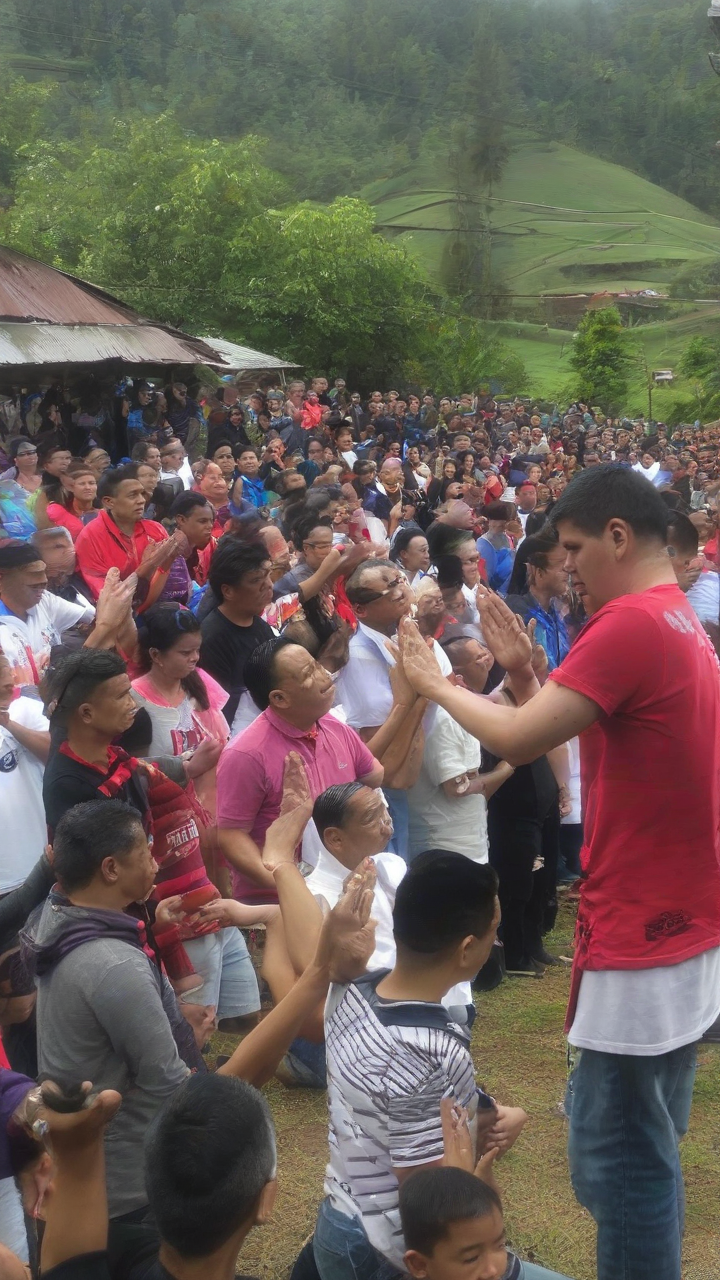
The commemoration featured two separate protests the Trillion Peso March Movement (TPMM) by Tindig Pilipinas and the other by the EDSA40 coalition, comprising over 100 different organizations.
Not Romanticizing the Past
Angat Buhay, a non-governmental organization started by former Vice President Leni Robredo, emphasized that commemorating the 40th anniversary of the EDSA People Power Revolution is not about romanticizing the past but rather taking responsibility for the present. After 40 years, the country remembers the moment when ordinary Filipinos preferred confronting an unjust system and reclaiming their future, Angat Buhay said.
The organization stressed that EDSA's memory is to guard freedom and fight for dignity. EDSA demands vigilance. It demands that we protect institutions, defend freedoms, and insist that government exists to serve people with dignity and justice. Above all, it demands that we never return to a time when silence was safer than speaking out, they said.
Remembering is Not Enough
Several groups and individuals offered their recollections on the 40th anniversary of the EDSA People Power Revolution. The Liberal Party (LP) emphasized that remembering is not enough; action is required. Remembering is not enough. Action is required, LP said.
On the other hand, Vice President Sara Duterte noted that some people have already forgotten the essence of EDSA 40. That's why those who are marching [right now], they do not know what their message is to the people. They have forgotten the message of 1986, Duterte said in an interview.
Sacrifice
Demonstrators braved a scorching sun to demand accountability for bogus flood control projects believed to have cost billions of taxpayer dollars. Our money is being stolen [by politicians]... I want everyone involved to be jailed and punished, starting from the top, 19-year-old high school senior Dustin Salazar said.
Lawrence Anthony Borja, a political science professor at Manila's De La Salle University, believed that the flood control issue was effectively dead in the water. However, other analysts rejected the notion that small turnouts equaled apathy. Protest fatigue has been happening for years now... but we shouldn't look at it as if this is going to make or break our reform agenda, Michael Henry Yusingco said.
The Philippines has a long history of scandals involving public funds, in which high-ranking politicians found guilty of corruption have typically escaped serious jail time.

Popular Tools
Recent Posts