.png)
 English

Digital transparency for a cleaner Philippine budget
Digital transparency for a cleaner Philippine budget
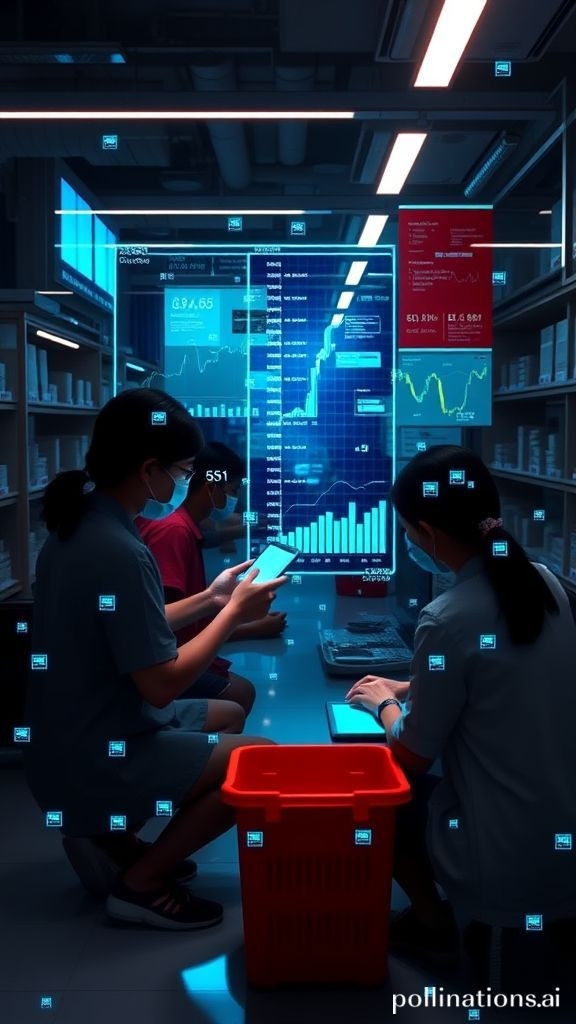
Uncovering Anomalies The Future of Digital Transparency in Philippine Budgeting
As governments around the world increasingly rely on digital technologies to manage public finances, transparency has become a crucial component of effective governance. In the Philippines, where corruption in public spending has long been a major concern, digital transparency can be a game-changer in promoting accountability and openness.
The recent budget insertions controversy has highlighted the need for greater transparency and accountability in government spending. According to former Budget Secretary Florencio Abad, the practice of inserting large sums into the budget without proper justification is nothing short of anomaly. This phenomenon is not unique to the Philippines; it's a global issue that affects governments worldwide.
In this blog post, we will explore the concept of anomalies in public spending and how digital transparency can help identify and address these irregularities. We will also speculate on what the future might hold for budgeting and financial management in the Philippines.
What are Anomalies in Public Spending?
Anomalies refer to unusual or unexplained patterns in government spending that deviate from normal norms. These irregularities can take many forms, including
Unjustified increases in spending
Unusual allocation of funds between departments or programs
Lack of transparency in procurement processes
In the Philippines, anomalies have become a common occurrence, with some estimates suggesting that up to 20% of government funds are lost due to inefficiencies and corruption.
The Role of Digital Transparency
Digital transparency is essential for identifying and addressing anomalies in public spending. By making financial data easily accessible online, governments can
Enhance accountability by allowing citizens to track spending patterns
Reduce opportunities for corruption by increasing scrutiny and oversight
Improve decision-making through data-driven insights
In the Philippines, digital transparency initiatives have already shown promising results. For example, the Department of Budget and Management's (DBM) Budget Tracker platform provides real-time updates on government spending, allowing citizens to track funds allocation and monitor program implementation.
The Future of Digital Transparency in Philippine Budgeting
As technology continues to evolve, we can expect digital transparency to play an increasingly important role in Philippine budgeting. Some potential developments include
Artificial intelligence-powered auditing tools that can detect anomalies in real-time
Blockchain-based procurement systems that ensure transparent and secure transactions
Citizen engagement platforms that allow individuals to contribute insights and suggestions on budget allocation
To realize this vision, it is crucial for the government to invest in digital infrastructure and develop policies that support transparency and accountability. Additionally, civil society organizations, media outlets, and citizens themselves must continue to push for greater openness and honesty in government spending.
Conclusion
The future of digital transparency in Philippine budgeting holds much promise, but it will require a concerted effort from all stakeholders. By acknowledging the importance of anomaly detection and addressing irregularities through technology, we can work towards creating a more transparent and accountable system that serves the Filipino people.
Keywords* Digital Transparency, Public Spending, Budgeting, Anomalies, Corruption, Philippines

Popular Tools
Recent Posts