.png)
 English

Bangladesh polls test ties with India as China deepens outreach
Bangladesh polls test ties with India as China deepens outreach
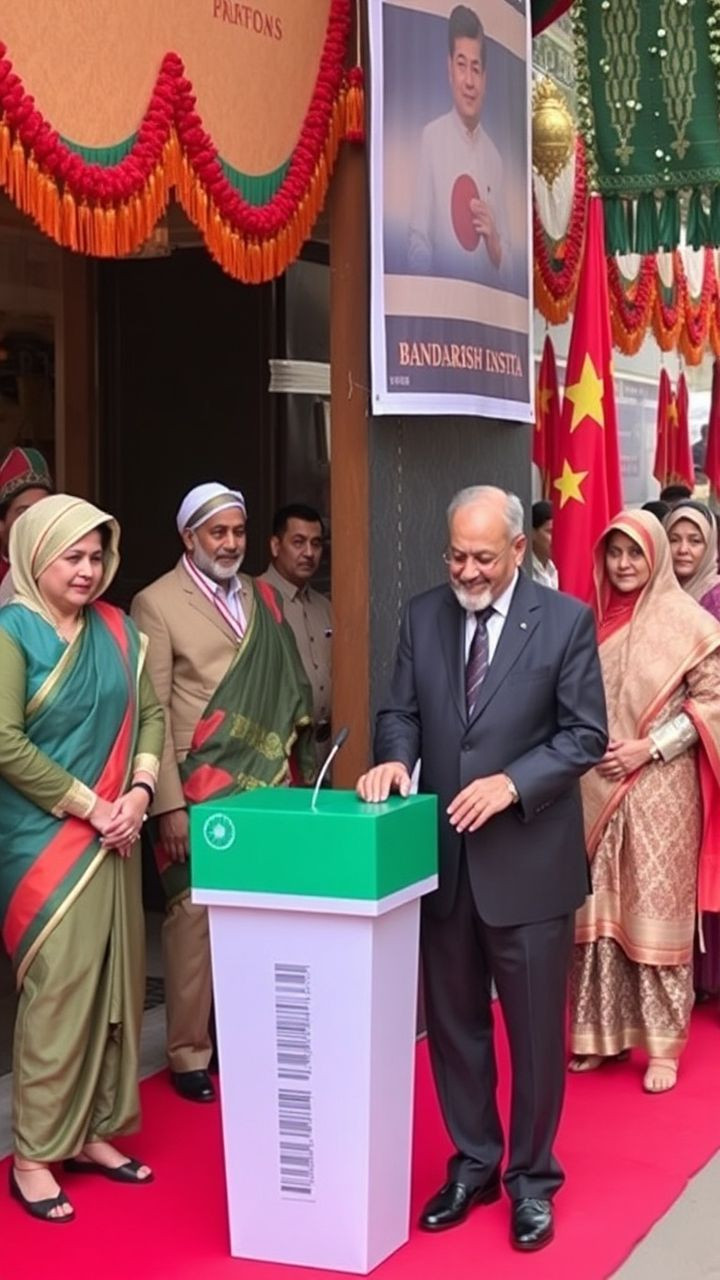
Title Election Tensions How Bangladesh's Polls Test Ties with India as China Deepens Outreach
As Bangladesh prepares for its elections on February 12, the nation's relationships with India and China are facing unprecedented scrutiny. The polls will likely reshape South Asia's balance of power, with Beijing seeking to consolidate its influence and ties between Dhaka and New Delhi faltering.
A Shift in Alliances
India's recent decision to shelter former Prime Minister Sheikh Hasina, despite extradition requests from Bangladesh, has strained the interim government headed by Nobel laureate Muhammad Yunus. This move has deepened engagement with China and Pakistan, marking a significant shift in alliances.
Under Hasina's leadership, Bangladesh maintained strong trade and defense ties with China, but India remained Dhaka's pre-eminent partner. However, with the interim government's increased focus on China, analysts suggest that this dynamic is changing.
Beijing's Strategic Pivot
Bangladesh has become central to China's strategic thinking regarding the Bay of Bengal, and China is increasingly confident that Bangladesh will play a pro-China role in this strategy, notes Joshua Kurlantzick, a senior fellow at the Council on Foreign Relations. Yunus' first state visit was to China, signaling a significant shift in diplomatic priorities.
The two countries have also signed a key defense agreement for a drone plant at a proposed northern airbase near India, further solidifying their relationship.
Tensions with India
Conversely, New Delhi and Dhaka have regularly sparred since Hasina's ouster. India has expressed concerns over what it describes as unremitting hostility against minorities in Bangladesh, citing violence against Hindus.
There have been occasional efforts at reconciliation. Indian Foreign Minister Subrahmanyam Jaishankar visited Dhaka for the funeral of former leader Khaleda Zia, whose Bangladesh Nationalist Party (BNP) is a frontrunner in the election.
Pragmatism Ahead
According to Praveen Donthi of the International Crisis Group, both sides will likely adopt pragmatic approaches. Both New Delhi and Dhaka are fully aware of the costs of not addressing the deteriorating relations, he notes. This pragmatic approach is particularly crucial given the regional dynamics at play.
Dhaka has also deepened engagement with Pakistan – India's arch-enemy – resuming direct flights in January after more than a decade. The new dispensation will likely prioritize stability over disruption, Donthi suggests.
Election Outcomes
Retired diplomat Hyumayun Kabir predicts that ties could stabilize under an elected government, especially if the BNP wins. Even Jamaat-e-Islami, once sharply at odds with India, has projected a kind of pragmatic realism in its campaign, he notes.
Despite heated rhetoric, the material core of the India-Bangladesh relationship remains. As Bangladesh's elections unfold, it will be crucial to monitor the impact on regional dynamics and international relationships.
Conclusion
As we await the election results, one thing is clear Bangladesh's ties with India and China are being tested like never before. Will pragmatism prevail, or will tensions continue to simmer? Only time will tell.

Popular Tools
Recent Posts