.png)
 English

Asia barters for scarce energy as war throttles supplies
Asia barters for scarce energy as war throttles supplies
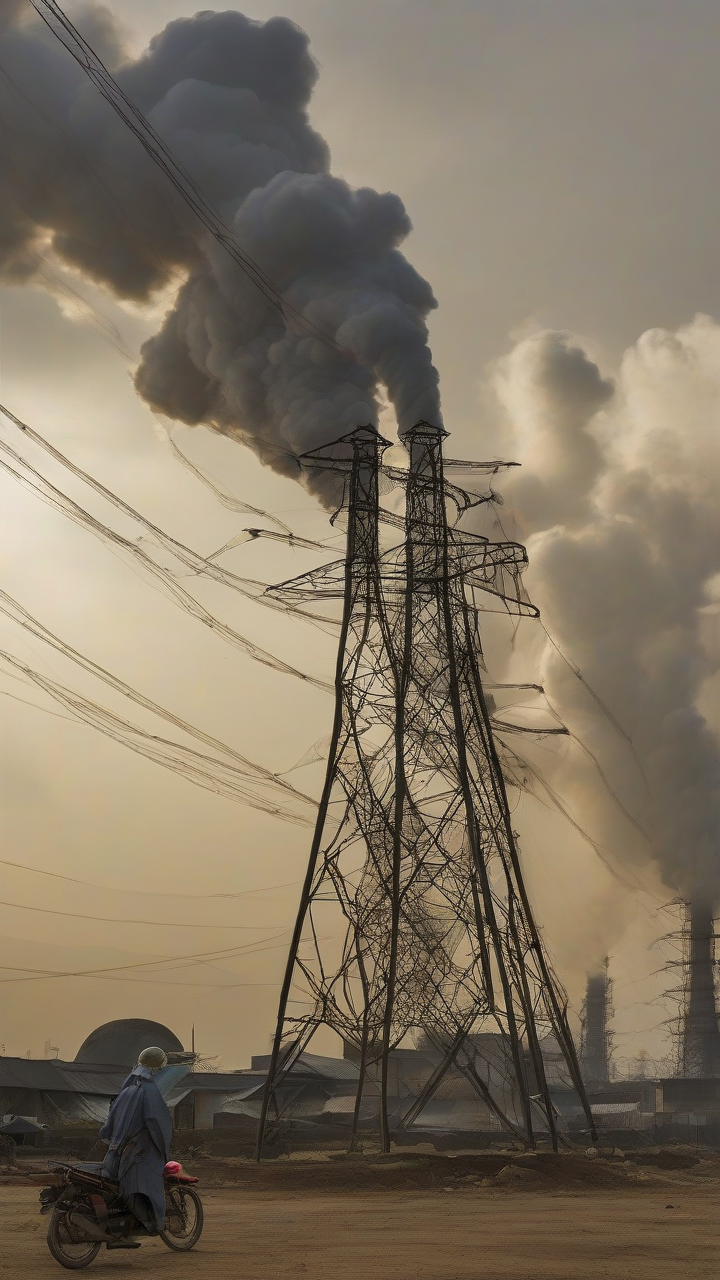
Asia's Energy Bartering A Desperate Measure in the Face of War-Induced Shortages
As the conflict in the Middle East continues to disrupt global energy supplies, Asia has been forced to adapt and innovate to secure alternative sources. In this blog post, we'll examine the power dynamics at play as nations such as Indonesia, China, and Japan engage in fuel bartering efforts to mitigate crippling shortages.
Regional Energy Crisis
The war-induced shortage of global energy supplies has had far-reaching consequences for Asian countries. The Philippines has declared a national energy emergency, while Sri Lanka has implemented rationing measures and reduced its workweek to four days. Myanmar has even restricted car drivers to alternate days. Indonesia, the world's fourth most populous country, is expected to announce curbs in the coming days.
Indonesia Takes Center Stage
President Prabowo Subianto recently visited Tokyo to seal long-term oil and gas agreements, emphasizing the need for rational economic relationships to ensure energy security in the face of Middle East uncertainty. Jakarta may also strike a deal with Tokyo to boost liquefied natural gas supplies in exchange for liquefied petroleum gas, a vital cooking fuel.
Japan's Key Role
As Japan relies heavily on Middle Eastern oil and gas (95% of its oil imports come from the region), it has become a crucial player in Asia's energy bartering efforts. Tokyo is discussing swaps with India to secure naphtha and crude oil, while Vietnam has sought Japan's assistance for energy supplies.
China's Export Ban Consequences
China's ban on refined fuel exports has had significant implications for Vietnam, which relies heavily on China for jet fuel. This has led Vietnam to seek additional supplies from Brunei, India, Japan, and South Korea.
Russia An Unlikely Alternative Supplier
The US waiver of sanctions against Russian oil companies could prove a game-changer for some Asian countries. South Korea has already imported Russian naphtha, while India has increased purchases of oil from Russia. Bangladesh, Thailand, and Sri Lanka are also in talks with Moscow.
Conclusion
As the global energy landscape continues to evolve, Asia's bartering efforts will be crucial in securing alternative supplies. With resource-poor Japan heavily reliant on Middle Eastern imports, its role in these negotiations is significant. The complex power dynamics at play underscore the need for Asia to adapt and innovate to meet the challenges posed by war-induced shortages.
Key Takeaways
Asia's fuel bartering efforts are a response to Middle East conflict-induced shortages
Indonesia takes center stage with President Prabowo Subianto's visit to Tokyo
Japan plays a key role in securing alternative supplies for Vietnam, South Korea, and others
China's export ban has had significant implications for Vietnam, while Russia emerges as an unlikely alternative supplier
* Asia must continue to adapt and innovate to meet the challenges posed by war-induced shortages

Popular Tools
Recent Posts