.png)
 English

Alleged member of terrorist group arrested at NAIA
Alleged member of terrorist group arrested at NAIA
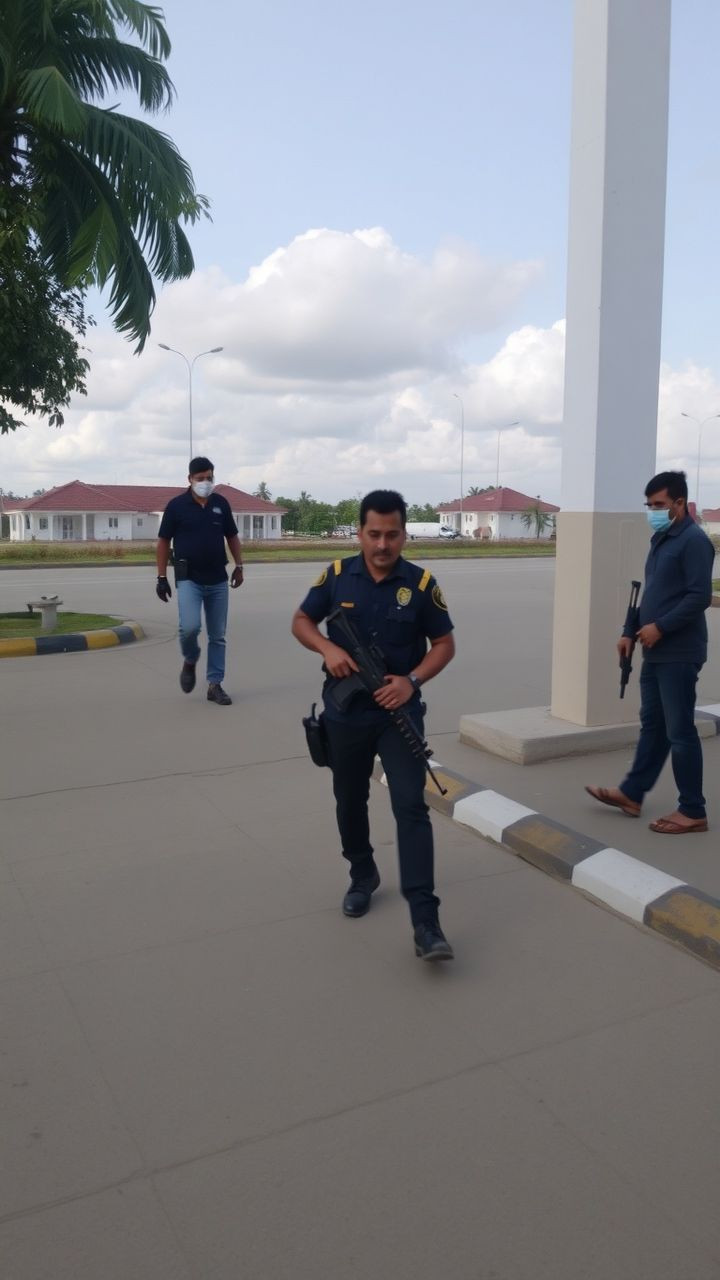
The Wake-Up Call Why the Arrest of a Terrorist Suspect at NAIA Matters for Policy Analysts
As policy analysts, it's easy to become overwhelmed by the constant stream of news and data that demands our attention. However, sometimes one story stands out as a stark reminder of the importance of our work. The recent arrest of an alleged terrorist group member at NAIA is just such a case.
The Facts A Reality Check
To set the record straight, the individual in question was apprehended by authorities after being flagged during a routine immigration screening. Further investigation revealed a standing warrant issued by the Regional Trial Court in General Santos City, charging them with multiple counts of frustrated murder. This is not a trivial matter; it's a serious concern that requires our attention.
The Implications are Clear
As policy analysts, we have a responsibility to ensure that our work has real-world implications. In this case, the arrest serves as a stark reminder of the need for effective border control and law enforcement coordination. It's a wake-up call for policymakers to rethink their approach to counter-terrorism efforts.
However, some critics might argue that this is just another example of Islamophobia or an overreaction by authorities. Let me be clear these concerns are unfounded and misinformed. The fact remains that terrorism is a real threat, and it's our duty as policy analysts to develop evidence-based solutions to combat it.
The Facts Support Our Position
Recent reports indicate that terrorist organizations have been increasingly using air travel to move operatives and conduct attacks. In this context, the arrest of an alleged member of a terrorist group at NAIA is a crucial step in preventing further harm. It's not about profiling or discrimination; it's about ensuring public safety.
Moreover, the coordinated effort between multiple agencies involved in the apprehension – including the PNP Aviation Security Group, Intelligence Group, National Bureau of Investigation (NBI), and the US-Federal Bureau of Investigation (FBI) – demonstrates the effectiveness of interagency cooperation. This is precisely the kind of collaboration that policy analysts should be advocating for.
A Call to Action
As we move forward, it's essential that we use this moment to push for more robust counter-terrorism efforts. This includes
1. Enhancing border control Implementing advanced biometric technologies and increasing personnel at airports can help prevent future incidents.
2. Improving intelligence sharing Strengthening relationships between law enforcement agencies and fostering a culture of information-sharing can help disrupt terrorist networks.
3. Targeted policy interventions Developing policies that address the root causes of terrorism, such as poverty and political instability, is essential.
The Bottom Line
In conclusion, the arrest of an alleged terrorist group member at NAIA is not just another news story – it's a wake-up call for policymakers to take concrete action. As policy analysts, we have a responsibility to lead the charge on this issue. Let's work together to make a difference.
Keywords Policy Analysts, Counter-Terrorism, Border Control, Intelligence Sharing, Targeted Policy Interventions

Popular Tools
Recent Posts