.png)
 English

A look at the ASEAN and our major partner economies
A look at the ASEAN and our major partner economies
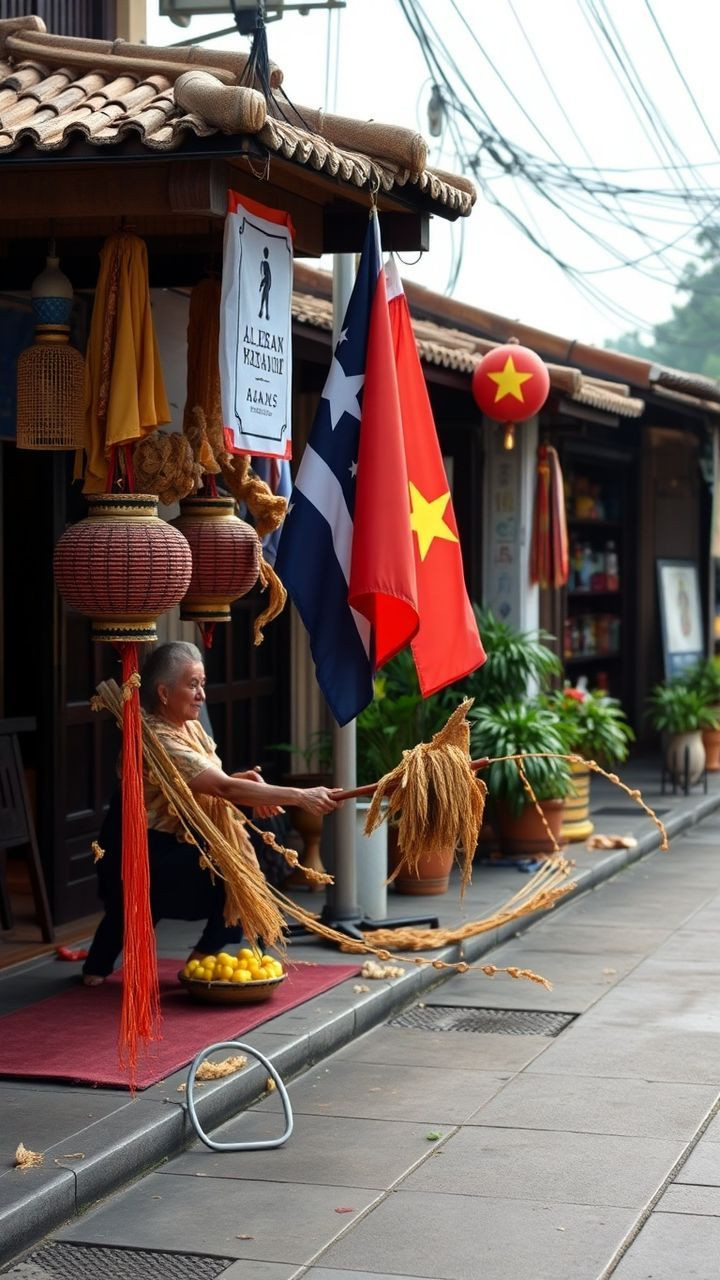
A Look at ASEAN and Our Major Partner Economies Opportunities for Architects
The Association of Southeast Asian Nations (ASEAN) stands as a formidable economic bloc, boasting a combined population of 686 million in 2024—the third largest globally after India and China—and a purchasing power parity (PPP) GDP of $12.3 trillion, ranking fourth worldwide after China, the U.S., and […]. For architects, this dynamic region represents a landscape of immense potential, shaped by rapid urbanization, cross-border collaborations, and evolving infrastructural demands. Below are five key insights into ASEAN’s economic significance and its implications for the architectural profession.
---
### 1. ASEAN’s Economic Growth A Catalyst for Architectural Innovation
ASEAN’s economic trajectory is driven by its diverse member states, including Indonesia, Thailand, Vietnam, and the Philippines, each contributing unique growth engines. With a projected GDP growth rate of 4.5–5.5% annually, the region’s expansion creates umpteen opportunities for architects to engage in large-scale projects, from smart cities to sustainable urban planning. For instance, Singapore’s focus on green architecture and Malaysia’s emphasis on mixed-use developments exemplify how economic priorities shape design trends.
- Key Trends
- Rising demand for energy-efficient buildings to meet regional sustainability goals.
- Increased investment in transportation infrastructure, such as high-speed rail networks.
- Urbanization rates exceeding 50% in several ASEAN nations, necessitating innovative housing solutions.
---
### 2. Strategic Partnerships with Major Economies Expanding Architectural Horizons
ASEAN’s economic partnerships with nations like China, Japan, South Korea, and the U.S. foster cross-border collaborations that influence architectural practices. These alliances often prioritize infrastructure projects, trade hubs, and technology-driven construction methods. For example, China’s Belt and Road Initiative (BRI) has spurred the development of ports, highways, and industrial zones across the region, offering architects access to international projects and standards.
- Examples of Collaboration
- Japan’s support for ASEAN’s infrastructure development through funding and technical expertise.
- South Korea’s role in advancing smart city initiatives in countries like the Philippines.
- U.S.-ASEAN partnerships focusing on disaster-resilient architecture in vulnerable coastal areas.
---
### 3. Regional Integration and the ASEAN Economic Community (AEC)
The ASEAN Economic Community (AEC) aims to create a single market and production base, facilitating the free flow of goods, services, and investments. This integration reduces trade barriers and encourages architects to operate across borders, adapting designs to meet varying regulatory frameworks. The AEC’s emphasis on digital transformation also drives demand for architects skilled in Building Information Modeling (BIM) and other tech-driven tools.
- Impact on Architects
- Need to navigate diverse building codes and sustainability certifications (e.g., LEED, Green Mark).
- Opportunities to participate in transnational projects, such as the ASEAN Connectivity Master Plan.
- Increased competition from international firms, prompting a focus on niche expertise.
---
### 4. Sustainability and Climate Resilience A Priority for ASEAN
As a region vulnerable to climate change, ASEAN has prioritized sustainable development and climate resilience in its economic policies. Architects play a critical role in this agenda, designing structures that mitigate environmental impacts and withstand extreme weather events. Initiatives like the ASEAN Green Growth Partnership highlight the need for eco-friendly materials, renewable energy integration, and adaptive urban designs.
- Key Challenges and Solutions
- Rising sea levels in coastal cities like Jakarta and Ho Chi Minh City requiring elevated or floating infrastructure.
- Adoption of passive design strategies to reduce energy consumption in tropical climates.
- Collaboration with local communities to ensure culturally sensitive, climate-resilient solutions.
---
### 5. The Role of Technology in Shaping ASEAN’s Architectural Future
Technology is revolutionizing the architectural landscape in ASEAN, with advancements in 3D printing, AI-driven design tools, and modular construction gaining traction. These innovations not only enhance efficiency but also enable architects to address the region’s unique challenges, such as rapid urbanization and resource constraints. For example, Vietnam’s use of prefabricated housing solutions has accelerated affordable housing projects, while Indonesia explores 3D-printed buildings for disaster recovery.
- Emerging Technologies
- AI for optimizing building layouts and energy use.
- Drones and GIS for site analysis and monitoring.
- Blockchain for transparent supply chain management in construction.
---
### Conclusion Embracing Opportunities in ASEAN’s Evolving Landscape
ASEAN’s economic dynamism, coupled with its strategic partnerships and commitment to sustainability, offers architects a wealth of opportunities to innovate and collaborate. Whether through cross-border projects, technology integration, or climate-resilient design, the region’s growth underscores the importance of adaptability and forward-thinking approaches. As the architectural profession continues to evolve, staying attuned to ASEAN’s economic and environmental priorities will be crucial for long-term success.
Call to Action
For architects seeking to expand their expertise and impact, now is the time to explore ASEAN’s evolving market. Engage with industry forums, leverage digital tools, and stay informed about regional policies to position yourself at the forefront of this transformative era. Share your insights or questions below to join the conversation and connect with peers across the globe.
---
Keywords ASEAN, architects, economic partnerships, sustainable design, smart cities, infrastructure, climate resilience, regional collaboration, architectural innovation.

Popular Tools
Recent Posts