.png)
 English

81% of Filipinos say corruption worsened since martial law
81% of Filipinos say corruption worsened since martial law
The Unyielding Frustration Corruption in the Philippines and Its Impact on Crime Writers
Introduction
Corruption has been a persistent issue in the Philippines since the declaration of martial law in 1972. Despite repeated promises of reform, corruption remains a deeply entrenched problem that continues to worsen. In this blog post, we will explore the findings of the Pahayag Q3 2025 survey, which reveals that an overwhelming majority of Filipinos believe that corruption has deteriorated since martial law was declared.
The State of Corruption in the Philippines
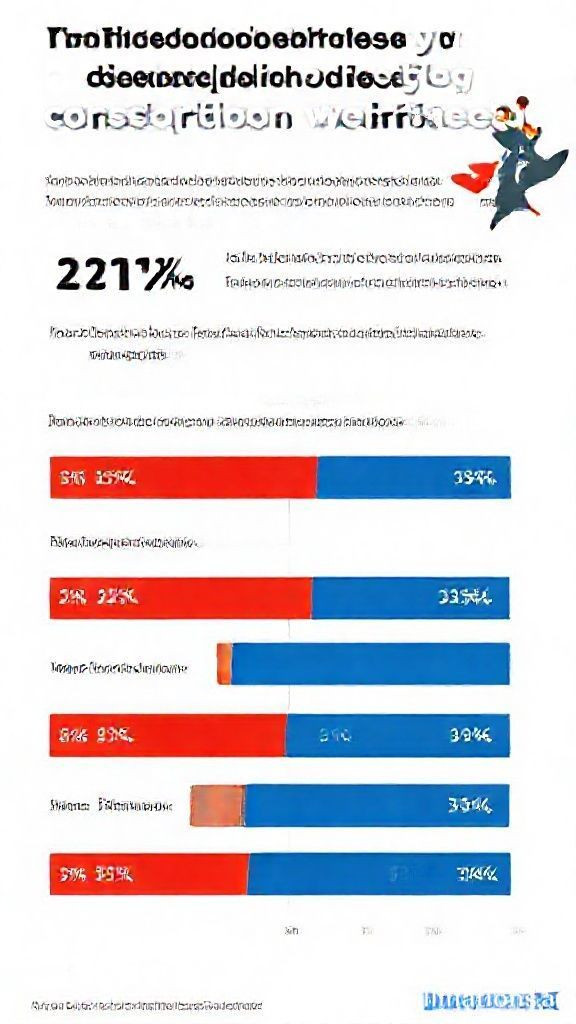
According to the Pahayag Q3 2025 survey, a staggering 81% of Filipinos believe that corruption has worsened since martial law was declared. This finding is consistent across regions, indicating that corruption is not limited to any particular area or demographic. The data suggests that corruption continues to be perceived as a systemic problem, deeply entrenched in the country's governance.
Public Frustration and Resignation
The survey also found that 77% of registered voters did not participate in the Sept. 21, 2025 anti-corruption rally, signaling a profound sense of public resignation that graft has become a permanent feature of Philippine governance. This lack of participation is a clear indication that the public has lost faith in the ability of successive administrations to address corruption.
Accountability and Restitution
The survey asked respondents who should be held accountable for the P1 trillion in budget realignments from 2023 to 2025. The results showed that 49% of respondents pointed to both President Ferdinand Marcos Jr. and the House of Representatives, while 24% blamed the president alone and 11% cited Congress. This finding suggests that nearly 9 in 10 Filipinos see corruption and fiscal misuse as systemic problems involving both the executive and legislative branches.
The Need for Tangible Acts of Restitution
The survey also found that 41% of respondents wanted stolen public funds returned before charges were filed, while 26% believed President Marcos should take a leave of absence if investigated by the Independent Commission for Infrastructure. These responses reflect growing public impatience with mere rhetoric and a demand for tangible acts of restitution and responsibility.
Conclusion
The Pahayag Q3 2025 survey highlights the widespread frustration and resignation among Filipinos regarding corruption in the country. The findings underscore the need for concrete actions to address corruption, rather than just empty promises. As crime writers, it is essential to understand the complexities of corruption and its impact on society. By examining the data-driven insights from this survey, we can better appreciate the challenges faced by the Philippines in combating corruption.
Recommendations
1. Conciliatory Approach Adopt a conciliatory approach to address corruption, focusing on building trust and fostering cooperation between government agencies, civil society, and the private sector.
2. Data-Driven Insights Utilize data-driven insights to inform policy decisions and track progress in combating corruption.
3. Tangible Acts of Restitution Prioritize tangible acts of restitution and responsibility, such as returning stolen public funds or taking a leave of absence if investigated.
References
Pahayag Q3 2025 survey
Publicus Asia
Keywords corruption, Philippines, martial law, crime writers