.png)
 English

52 observer teams here for elections
52 observer teams here for elections
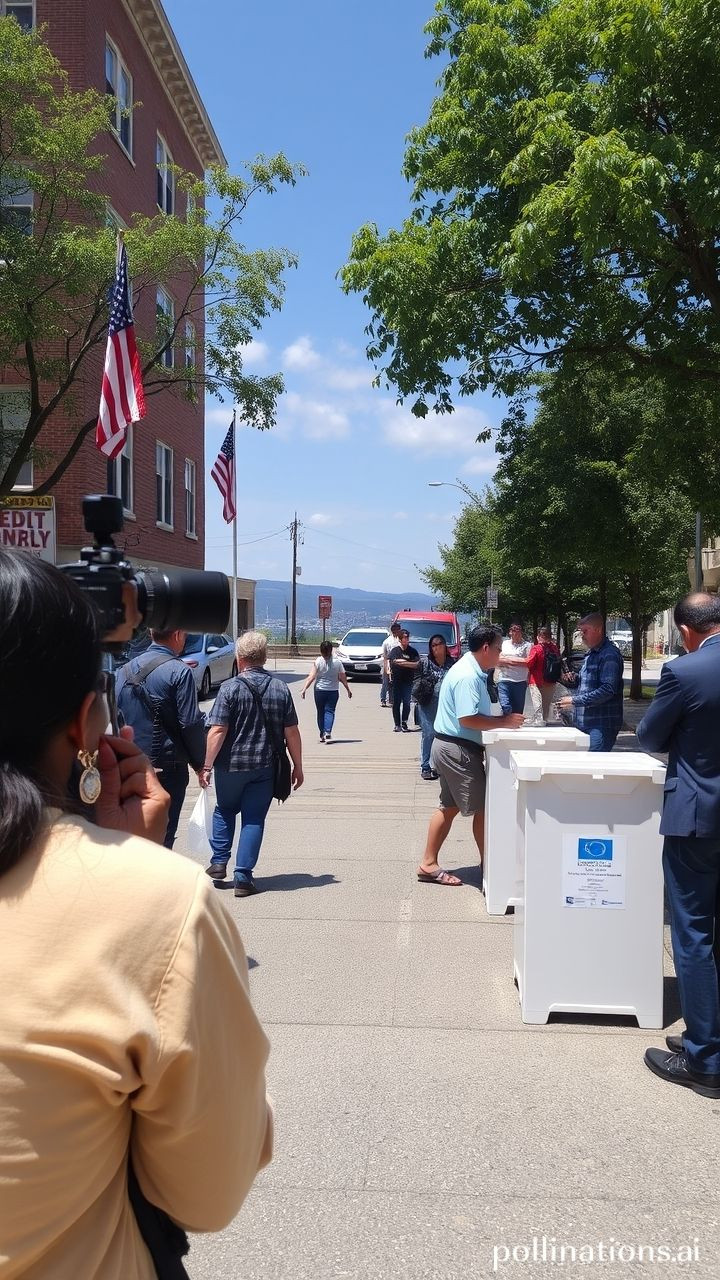
Election Transparency 5 Lessons Learned from 52 International Observer Teams
The Philippines has taken a crucial step towards ensuring the integrity of its national elections by welcoming 52 international observer teams from around the world. This move demonstrates the country's commitment to transparency, electoral integrity, and international democratic engagement. As Commission on Elections (Comelec) Chairman George Garcia emphasizes, this arrangement is standard practice in international electoral cooperation.
In this post, we will highlight five key takeaways from the experiences of these international observer teams
Lesson 1 The Power of Transparency
The presence of international observers sends a powerful message that the Philippines is committed to transparency and accountability. As Chairman Garcia notes, We are not hiding anything. We want to show our people — and our fellow nations — that our elections are open, accountable, and worthy of public trust. This commitment to transparency is essential for building trust in electoral processes.
Lesson 2 The Value of Mutual Learning
By hosting observers from other countries, the Philippines not only ensures the credibility of its own elections but also contributes to the democratic development of others. As Chairman Garcia shares, We hope they learn from our systems — whether old or new. Even traditional practices we still use may be useful for them. This exchange fosters a culture of cooperation and mutual understanding.
Lesson 3 The Importance of Observation
The international observers' presence serves as a reminder that the world is watching and holds elections accountable to high standards. As Chairman Garcia notes, They are here to observe how we conduct our elections, to see if there have been improvements, and to identify remaining issues. This observation helps ensure that electoral processes meet international best practices.
Lesson 4 Embracing Cultural Differences
Voting procedures differ depending on the country's traditions, values, and acceptable processes. As Chairman Garcia shares, Each system reflects the unique experience and political maturity of a nation. There is no single model of democracy. This underscores the importance of cultural sensitivity and understanding in international cooperation.
Lesson 5 The Lasting Impact
The presence of international observers can have a lasting impact on the country's electoral processes. As Chairman Garcia notes, This engagement works both ways. By hosting observers, we not only ensure the credibility of our own elections but also contribute to the democratic development of others. This long-term impact is a testament to the power of international cooperation in promoting democracy.
In conclusion, the Philippines' decision to host 52 international observer teams is a significant step towards promoting transparency and accountability in its national elections. By embracing this opportunity for mutual learning and cultural exchange, the country can continue to strengthen its electoral processes and promote democratic values.
Keywords International observers, election transparency, Comelec, Commission on Elections, democracy, mutual learning, cultural exchange.

Popular Tools
Recent Posts